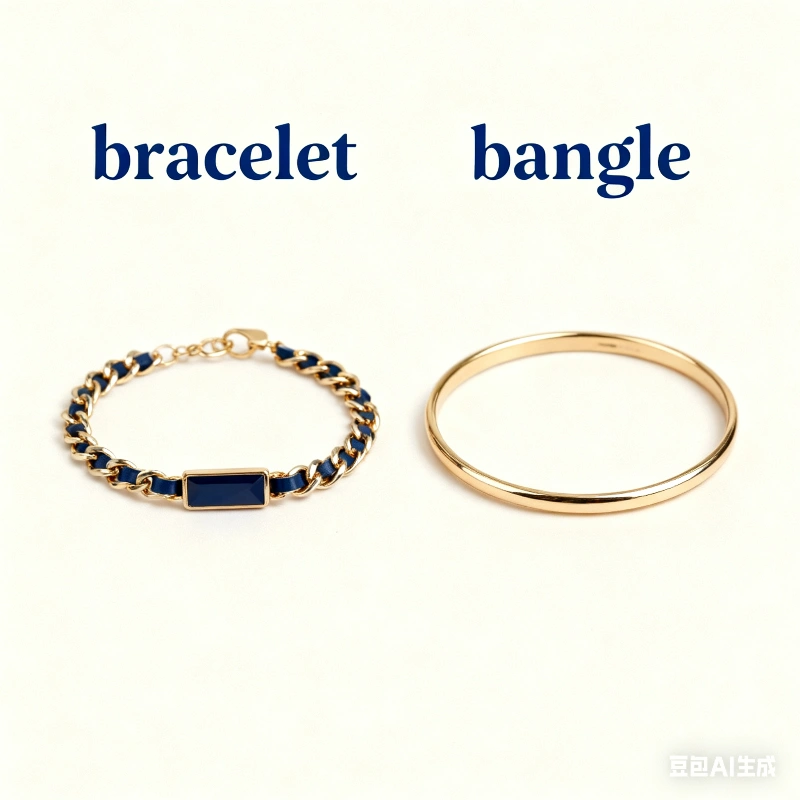
If you’ve ever shopped for wrist accessories, you’ve probably seen the terms bracelet and bangle used side by side. They both look stylish, both sit beautifully on your wrist — but they’re not the same thing. Understanding the difference between a bracelet and a bangle can help you make smarter fashion choices, whether you’re shopping for yourself or sourcing jewelry for your store.
Let’s break it down in a clear, practical way — what makes them different, what materials are used, and how to choose the best one for your style and lifestyle.
1. What Is a Bracelet?
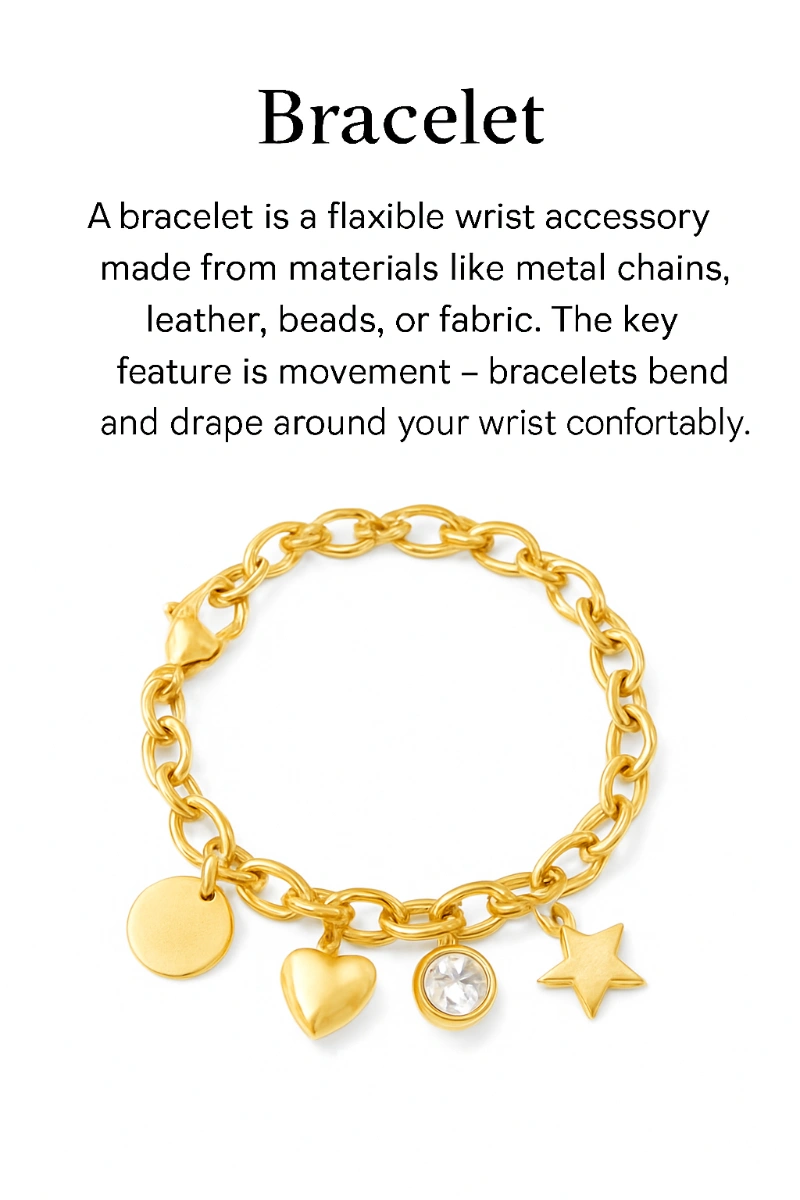
A bracelet is a flexible wrist accessory made from materials like metal chains, leather, beads, or fabric. The key feature is movement — bracelets bend and drape around your wrist comfortably.
You’ll find bracelets with clasps or adjustable chains, making them easy to wear and layer with other pieces. There are endless varieties — charm bracelets, tennis bracelets, leather wraps, and even smart bracelets with built-in fitness trackers.
Common Materials:
Sterling silver, gold, stainless steel
Leather, silk cords, nylon
Gemstones, beads, or crystals
Ideal For:
People who like soft, adjustable jewelry that moves naturally with the wrist.
Example:
A gold chain bracelet with small charms is perfect for casual wear or pairing with a watch.
2. What Is a Bangle?
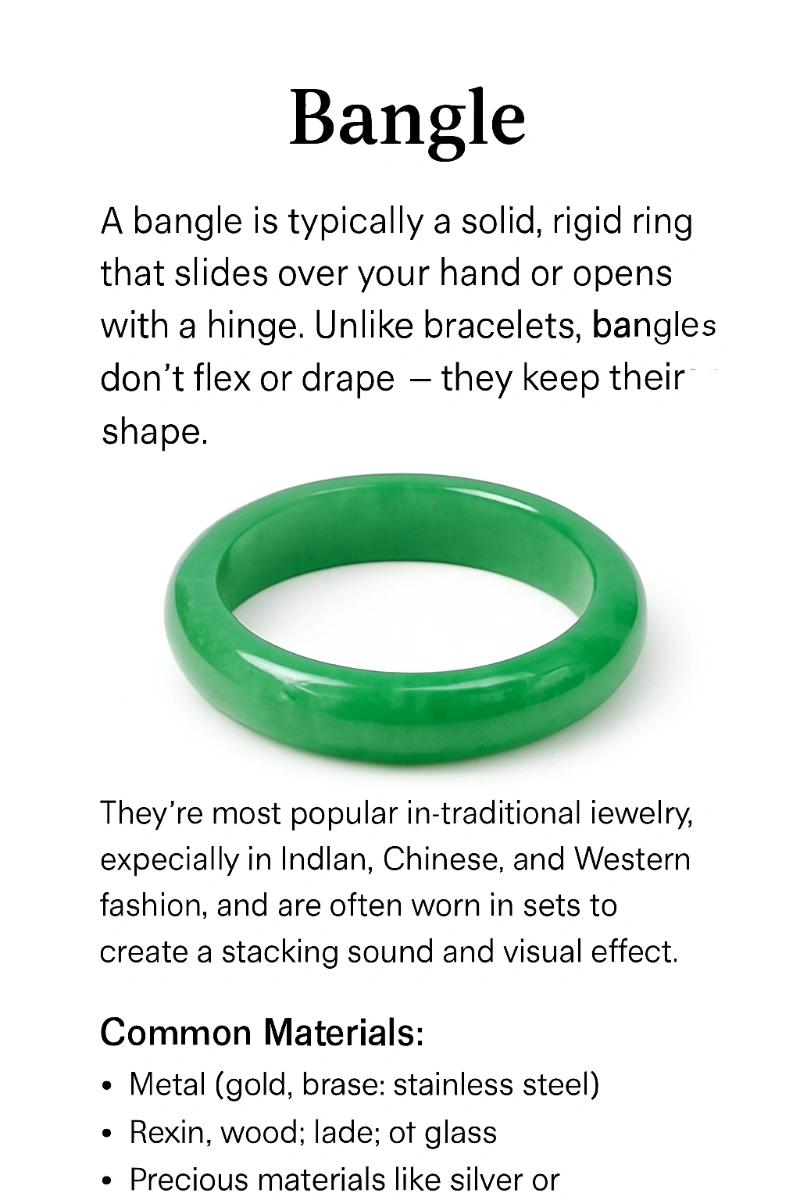
A bangle is typically a solid, rigid ring that slides over your hand or opens with a hinge. Unlike bracelets, bangles don’t flex or drape — they keep their shape.
They’re most popular in traditional jewelry, especially in Indian, Chinese, and Western fashion, and are often worn in sets to create a stacking sound and visual effect.
Common Materials:
Metal (gold, brass, stainless steel)
Resin, wood, jade, or glass
Precious materials like silver or 24K gold for ceremonial use
Ideal For:
Those who love statement jewelry and bold wrist accessories.
Example:
A thick jade bangle or a stack of gold bangles gives a sophisticated, elegant touch to formal wear.
3. Bracelet vs Bangle: The Key Differences
| Feature | Bracelet | Bangle |
|---|---|---|
| Flexibility | Flexible and bendable | Rigid and solid |
| Fit | Adjustable (clasp or chain) | Fixed (slips over hand) |
| Material Variety | Metals, beads, leather, cords | Metals, resin, glass, jade |
| Style Vibe | Modern, casual, trendy | Traditional, bold, elegant |
| Sound & Movement | Silent and fluid | Jingles and clinks |
| Best For | Everyday wear or layering | Statement looks and formal outfits |
4. How to Choose Between a Bracelet and a Bangle
Choosing between a bracelet and a bangle depends on your personal style, comfort, and occasion. Here’s how to decide:
✔ For Daily Wear
Go for a bracelet — lightweight, adjustable, and comfortable to wear all day. Chain bracelets or leather styles are great for office or casual outfits.
✔ For Formal or Traditional Occasions
A bangle is the way to go. Its structured design adds elegance to dresses or ethnic wear. Gold, jade, or silver bangles stand out beautifully at weddings and events.
✔ For Layering and Mixing Styles
Combine both! Stack thin bangles with delicate chain bracelets for a trendy, textured wrist look. Mixing metals like gold and silver can add dimension.
✔ For Gifting
Bracelets are usually safer gifts because they’re adjustable and suit more wrist sizes. Bangles, on the other hand, need a precise fit.
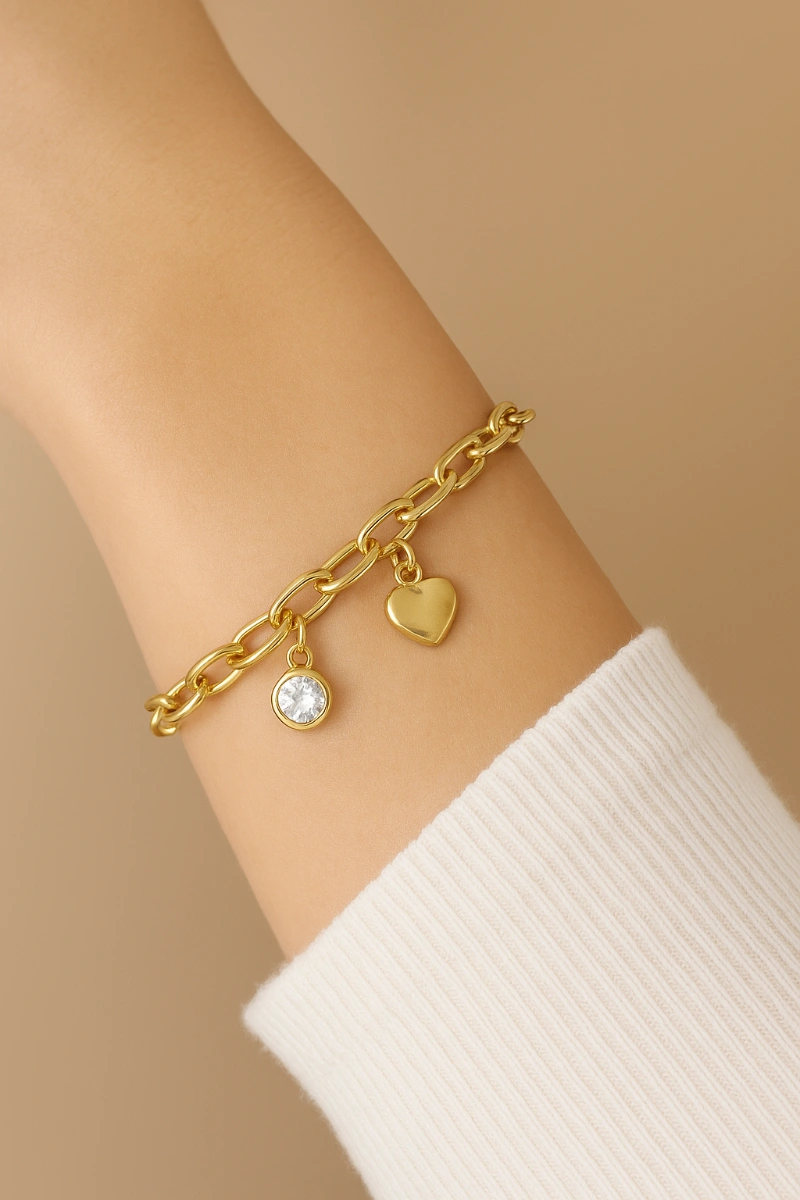
The wearing effect of bracelet
5. Buying Tips for Bracelets and Bangles
If you’re buying for yourself or sourcing for your jewelry business, keep these practical tips in mind:
Know your wrist size: Measure the widest part of your hand for bangles, and your wrist circumference for bracelets.
Choose quality materials: Opt for nickel-free and hypoallergenic metals for sensitive skin.
Check craftsmanship: For bangles, ensure smooth edges and a solid finish. For bracelets, test the clasp and links for durability.
Buy from reputable suppliers: Especially if sourcing from China, look for factories with experience in OEM/ODM and quality plating (PVD, IP, or gold-filled options).
Ask about customization: You can add branding, engraving, or packaging customization when buying wholesale.
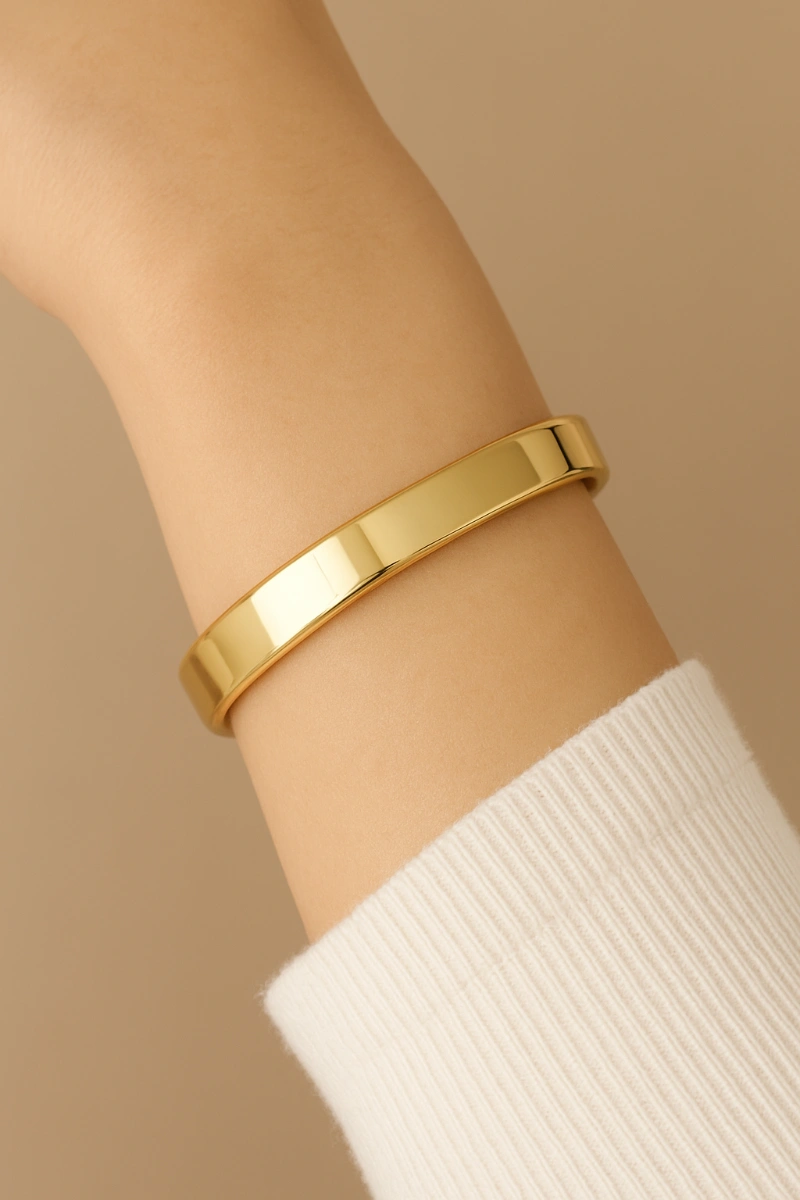
The wearing effect of bangle
6. From China: The Best Place to Source Bracelets and Bangles
If you’re a jewelry seller or start-up brand, sourcing from China’s professional manufacturers can help you cut costs while maintaining quality.
Why China?
Competitive factory-direct prices
Wide variety of materials and designs
Custom design and private labeling options
Quick mass production and global shipping
Cities like Guangzhou, Yiwu, and Qingdao are well-known jewelry production hubs where you can find everything from gold-plated minimalist bracelets to resin bangles with fashion-forward designs.
Pro Tip:
Ask for samples before placing bulk orders. You can test the finish, durability, and comfort — and ensure your product matches your brand quality.
7. Final Thoughts
Both bracelets and bangles bring their own charm to your wardrobe — one flexible and modern, the other bold and timeless.
If you want something lightweight, versatile, and easy to layer, go for bracelets.
If you’re looking for a statement piece or a cultural touch, bangles are your best pick.
For jewelry lovers and business owners alike, understanding the difference helps you choose better, style smarter, and even source more profitably.
So next time you browse a jewelry catalog or visit a market, you’ll know exactly which one — bracelet or bangle — truly fits your style.