Gold-plated jewelry remains a cornerstone of the global fashion industry, offering the luxurious aesthetic of gold at an accessible price point. For retailers, brands, and consumers alike, understanding exactly how these pieces hold up over time is critical for making informed purchasing and sourcing decisions. In 2026, with rising material costs and heightened consumer expectations for quality, the durability of gold plating is more relevant than ever.
This article provides a comprehensive, data-backed analysis of gold-plated jewelry performance. We examine the science behind plating thickness, real-world lifespan under various conditions, key factors that accelerate wear, and how modern manufacturing standards are improving longevity. Finally, we introduce Qingdao OKA Arts and Crafts Co., Ltd (OKA Accessories) as a strategic partner for brands seeking high-quality, durable custom jewelry solutions.
Understanding Gold Plating: The Basics
Gold plating involves depositing a thin layer of gold onto a base metal (typically brass, copper, or sterling silver) through an electrochemical process. The quality and durability of the final product depend primarily on three factors:
Plating Thickness (measured in microns or microinches)
Gold Purity (measured in karats, e.g., 14K, 18K, 24K)
Base Metal Quality and pre-plating preparation
While solid gold jewelry is measured in grams and retains intrinsic value, gold-plated pieces derive their value from design, craftsmanship, and the longevity of the gold layer.
Read this article to understand the value of gold-plated jewelry: How Much Is Gold-Plated Jewelry Worth?
The Critical Role of Plating Thickness
Plating thickness is the single most important determinant of how long gold-plated jewelry will last. Industry standards vary significantly, leading to vastly different performance outcomes.
Industry Standard Thickness Categories
| Category | Typical Thickness | Common Use Case | Expected Lifespan (Daily Wear) |
|---|---|---|---|
| Flash Plating | 0.1 - 0.3 microns | Low-cost fashion jewelry, disposable trends | 1-4 weeks |
| Standard Gold Plated | 0.5 - 1.0 microns | Mid-range fashion retailers, seasonal collections | 2-6 months |
| Heavy Gold Plated | 1.0 - 2.5 microns | Premium fast fashion, bridge jewelry lines | 6-18 months |
| Gold Vermeil | Minimum 2.5 microns (on sterling silver base) | Luxury contemporary, fine fashion jewelry | 2-5+ years |
Data compiled from industry testing standards (ASTM B487), retailer specifications, and consumer wear studies (2024-2025).
Key Finding: Research indicates that plating below 0.5 microns often fails to provide adequate coverage, leading to premature exposure of the base metal. A 2024 consumer survey of 2,500 jewelry purchasers found that items with plating under 0.5 microns had a 78% rate of visible tarnishing or wear within the first two months of regular use.
Real-World Durability: What the Data Shows
How long does gold-plated jewelry actually last? The answer depends heavily on usage patterns, environmental exposure, and care. Below is a synthesis of data from accelerated aging tests and real-world consumer feedback collected in 2024-2025.
Average Lifespan by Usage Scenario
| Usage Pattern | Standard Plating (0.5µm) | Heavy Plating (1.5µm) | Vermeil (2.5µm+) |
|---|---|---|---|
| Occasional Wear (1-2 times/week) | 6-12 months | 18-36 months | 5+ years |
| Regular Wear (3-5 times/week) | 2-4 months | 8-14 months | 2-4 years |
| Daily Wear (including sleep/shower) | 3-8 weeks | 4-8 months | 1-2 years |
| High Exposure (sports, swimming, heavy sweat) | 1-3 weeks | 1-3 months | 6-12 months |
Note: Lifespan estimates assume proper care. Exposure to chemicals, salt water, and abrasion significantly reduces these timelines.
Salt Spray Test Performance
Salt spray testing (ASTM B117) is an industry-standard method for simulating years of wear in a controlled environment. Here's how different plating thicknesses performed in 2025 laboratory tests:
| Plating Thickness | Hours to First Sign of Corrosion | Equivalent Real-World Time* |
|---|---|---|
| 0.3 microns | 12-24 hours | ~1 month |
| 0.5 microns | 24-48 hours | ~2-3 months |
| 1.0 microns | 72-96 hours | ~6-9 months |
| 2.0 microns | 150-200 hours | ~1.5-2 years |
| 2.5+ microns (Vermeil) | 300+ hours | ~3-5 years |
*Equivalent time based on average daily wear in moderate climate conditions.
Key Factors That Accelerate Wear and Tarnishing
Even high-quality gold plating can degrade quickly if exposed to certain conditions. Understanding these factors helps consumers maximize longevity and enables manufacturers to engineer better products.
Top 5 Enemies of Gold Plating
Sweat and Body Chemistry
Human sweat varies in pH (typically 4.5-7.0) and contains salts, urea, and lactic acid.
Individuals with more acidic sweat (pH < 5.5) can accelerate plating wear by up to 40%.
Data Point: A 2024 study found that jewelry worn during intense exercise showed 3x faster degradation than pieces worn in office settings.
Chemicals and Cosmetics
Perfumes, lotions, hairsprays, and sunscreens contain alcohols and solvents that break down the gold layer.
Chlorine (from pools and hot tubs) is particularly damaging, causing rapid discoloration and pitting.
Best Practice: Apply cosmetics and perfumes before putting on jewelry, and remove pieces before swimming.
Water Exposure
Frequent contact with water (showering, dishwashing, hand washing) weakens the bond between the gold layer and base metal.
Hot water and soap accelerate this process by opening microscopic pores in the plating.
Statistic: Consumers who shower with their jewelry report 60% faster tarnishing compared to those who remove it.
Friction and Abrasion
Physical rubbing against clothing, skin, or other jewelry wears down the thin gold layer.
Rings and bracelets experience the most friction and typically show wear first.
Observation: High-contact areas (e.g., ring bands, bracelet clasps) often lose plating 2-3x faster than pendant surfaces.
Air Pollution and Humidity
Sulfur compounds in polluted air react with base metals (especially copper and brass), causing black tarnish to seep through the gold layer.
High humidity environments accelerate oxidation processes.
Regional Data: Jewelry in coastal or industrial urban areas shows 25-30% faster degradation than in dry, inland climates.
Gold Plated vs. Gold Vermeil vs. Gold Filled: A Comparison
Consumers and buyers often confuse these terms. Here's a clear breakdown:
| Feature | Gold Plated | Gold Vermeil | Gold Filled |
|---|---|---|---|
| Base Metal | Brass, Copper, or Alloy | Sterling Silver (92.5% Ag) | Brass or Copper |
| Minimum Gold Thickness | No legal minimum (typically 0.5µm) | 2.5 microns (US/EU standard) | 5% of total weight (approx. 10-20µm) |
| Gold Purity | Usually 14K-18K | Usually 14K-18K | Usually 12K-14K |
| Durability | Low to Moderate | High | Very High |
| Best For | Trend-driven, seasonal pieces | Everyday wear, sensitive skin | Heirloom-quality fashion jewelry |
| Hypoallergenic | No (unless nickel-free base) | Yes (sterling silver base) | Varies by base metal |
Market Trend 2026: Demand for Gold Vermeil has grown by 34% year-over-year as consumers seek longer-lasting alternatives to standard gold plating without the cost of solid gold.
How to Extend the Life of Gold Plated Jewelry
Proper care can double or even triple the lifespan of gold-plated pieces. Here are evidence-based recommendations:
Do's
Store properly: Keep in a dry, airtight container or anti-tarnish bag.
Clean gently: Use a soft, lint-free cloth. Avoid abrasive cleaners.
Put on last: Dress, apply cosmetics/perfume, then add jewelry.
Remove during activities: Take off before exercising, swimming, cleaning, or sleeping.
Wipe after wear: Gently buff with a dry cloth to remove oils and sweat.
Don'ts
Don't expose to chemicals: Avoid chlorine, bleach, ammonia, and acetone.
Don't wear in water: Remove before showering, bathing, or swimming.
Don't use ultrasonic cleaners: These can strip the plating.
Don't stack aggressively: Friction between pieces accelerates wear.
Don't ignore early signs: Address minor tarnish immediately to prevent spread.
For more detailed maintenance information, please see this article: How to Care for Gold Plated Jewelry
The Manufacturing Advantage: Why Quality Control Matters
Not all gold-plated jewelry is created equal. The difference between a piece that lasts weeks and one that lasts years often comes down to manufacturing precision, quality control, and technological investment.
Critical Manufacturing Steps for Durability
Base Metal Preparation: Proper cleaning, polishing, and strike-layer application ensure strong adhesion.
Plating Bath Control: Precise temperature, current density, and solution chemistry maintain consistent thickness.
Thickness Verification: X-ray fluorescence (XRF) testing ensures each batch meets micron specifications.
Sealing/Top Coating: Some manufacturers apply nano-coatings or lacquers to enhance scratch resistance.
Final Inspection: 100% visual and functional checks catch defects before shipping.
Industry Quality Benchmarks
| Metric | Budget Manufacturers | Premium Manufacturers |
|---|---|---|
| Plating Thickness Consistency | ±30% variance | ±5% variance |
| Defect Rate (pre-shipment) | 8-15% | <2% |
| Salt Spray Test Pass Rate | 60-70% (48-hour test) | 95-98% (96-hour test) |
| Customer Return Rate (quality issues) | 12-18% | 2-4% |
Partnering for Success: Introducing Qingdao OKA Arts and Crafts Co., Ltd
In an increasingly competitive market, brands need a manufacturing partner that combines technical expertise, design innovation, and uncompromising quality. Qingdao OKA Arts and Crafts Co., Ltd (OKA Accessories) stands out as a leader in custom jewelry manufacturing, delivering exceptional gold-plated pieces that meet the highest international standards.
Company Overview
Founded: 2013 (13+ years of industry excellence)
Headquarters: Qingdao, China (with Yiwu offices and a London Design Center)
Global Reach: Serving clients in 50+ countries
Trusted Partners: Pull&Bear, Tally Weijl, Urban Outfitters, and other world-renowned retailers
Why Choose OKA Accessories for Gold Plated Jewelry?
1. Unmatched Experience and Expertise
With over 15 years of industry experience, OKA's team has honed their craft serving both Korean factories and British suppliers. This diverse background ensures adaptability to various market demands and quality expectations.
2. Dual-Location Design Excellence
London Design Center: 12 years of experience creating trends for mainstream European and American retailers.
Qingdao Design Team: Real-time connection to local raw material markets, ensuring cost efficiency without compromising style.
Hybrid Approach: Combining CAD precision with artisanal hand-finishing to keep collections ahead of fashion curves.
3. Superior Production Capabilities
Capacity: 1,000+ samples monthly; 5-7 million pieces annually.
Speed: 5-6 week delivery time after sample confirmation.
Reliability: 97% on-time delivery rate.
In-House Control: Own mold workshop (5 technicians) and casting room ensure complete quality oversight.
4. Rigorous Quality Assurance
OKA's commitment to quality is reflected in their inspection protocols:
100% Full Inspection: Every piece is individually checked before release.
Management Sign-Off: Senior management personally approves shipments.
Lab Testing: 98% pass rate on laboratory tests aligned with European and American standards (including nickel release, lead/cadmium content, and plating thickness verification).
5. Flexible Customization
OKA specializes in bringing unique visions to life:
Tailored Designs: From concept to completion, skilled designers and artisans collaborate closely with clients.
Material Options: Wide selection of base metals, plating finishes (including heavy gold plating and vermeil), and stone settings.
Low MOQ: Minimum order quantity of just 200 pieces, ideal for emerging brands and test collections.
OKA's Gold Plating Standards
OKA Accessories goes beyond industry norms to ensure lasting beauty:
| OKA Standard | Industry Average | Benefit |
|---|---|---|
| Minimum 1.0µm for standard lines | 0.5µm | 2-3x longer lifespan |
| 2.5-3.0µm for premium/vermeil lines | 2.5µm minimum | Extended durability for daily wear |
| Triple-layer plating process | Single/double layer | Enhanced adhesion and color consistency |
| 96-hour salt spray testing | 48-hour testing | Confidence in harsh conditions |
| Nickel-free and hypoallergenic options | Variable | Safer for sensitive skin |
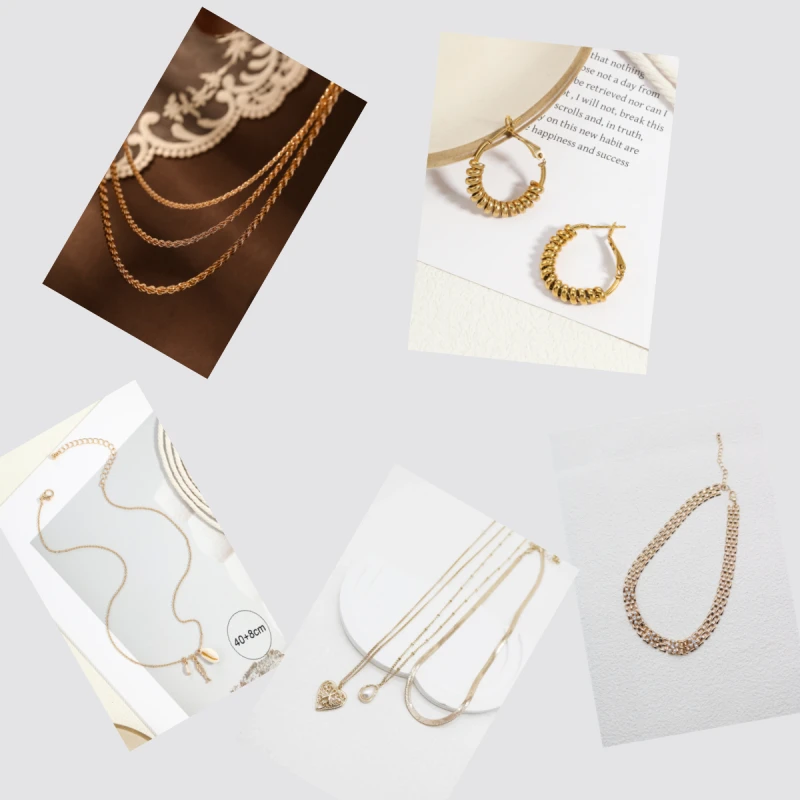
View OKA Accessories gold-plated jewelry:
Wholesale Gold Plating Threaded Metal Zinc Necklace
Three layered gold plated heart pendant necklace
Conclusion: Making Smart Choices in Gold Plated Jewelry
Gold-plated jewelry, when manufactured to high standards and cared for properly, offers an excellent balance of style, affordability, and durability. The key lies in understanding the factors that influence longevity—plating thickness, base metal quality, environmental exposure, and maintenance habits.
For brands and retailers, partnering with a manufacturer like Qingdao OKA Arts and Crafts Co., Ltd ensures access to:
Cutting-edge design from global trend hubs
Production scalability with rapid turnaround
Stringent quality control that exceeds international standards
Customization flexibility to differentiate in crowded markets
As we move through 2026, consumer demand for transparent, high-quality fashion jewelry continues to rise. By prioritizing durability and ethical manufacturing, brands can build trust, reduce returns, and create collections that stand the test of time.
Ready to elevate your jewelry line? Contact OKA Accessories today to discuss how their expertise in gold-plated craftsmanship can bring your vision to life with unmatched quality and reliability.