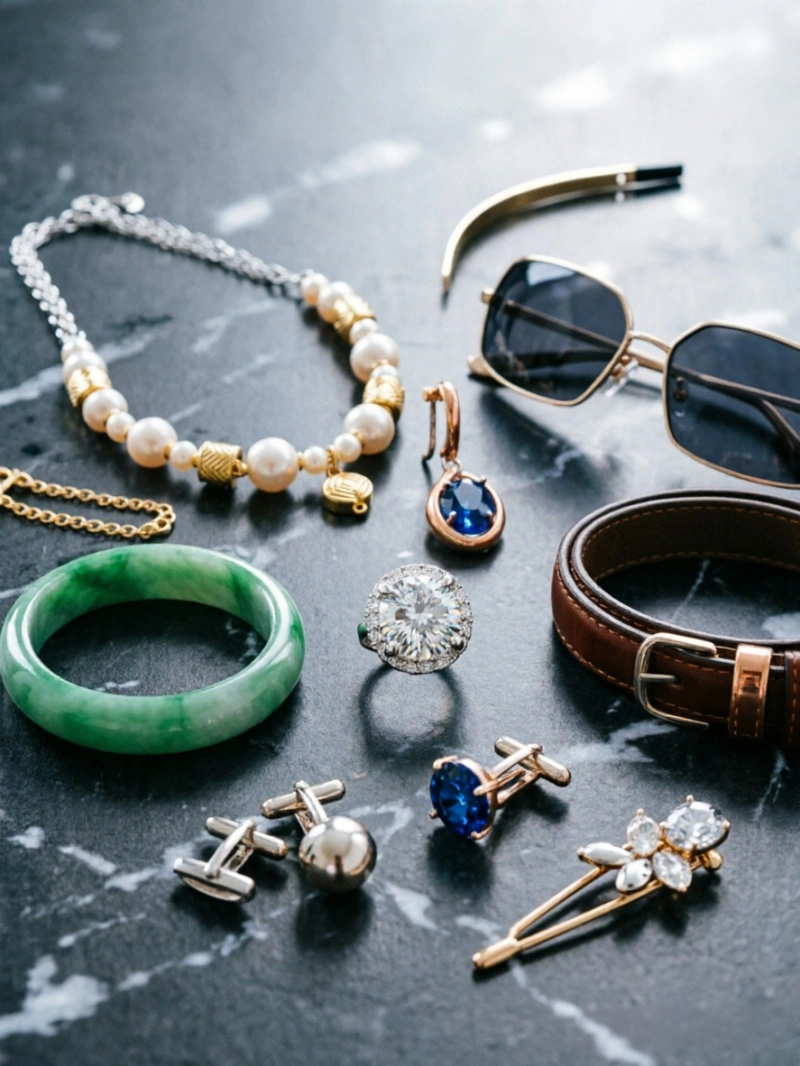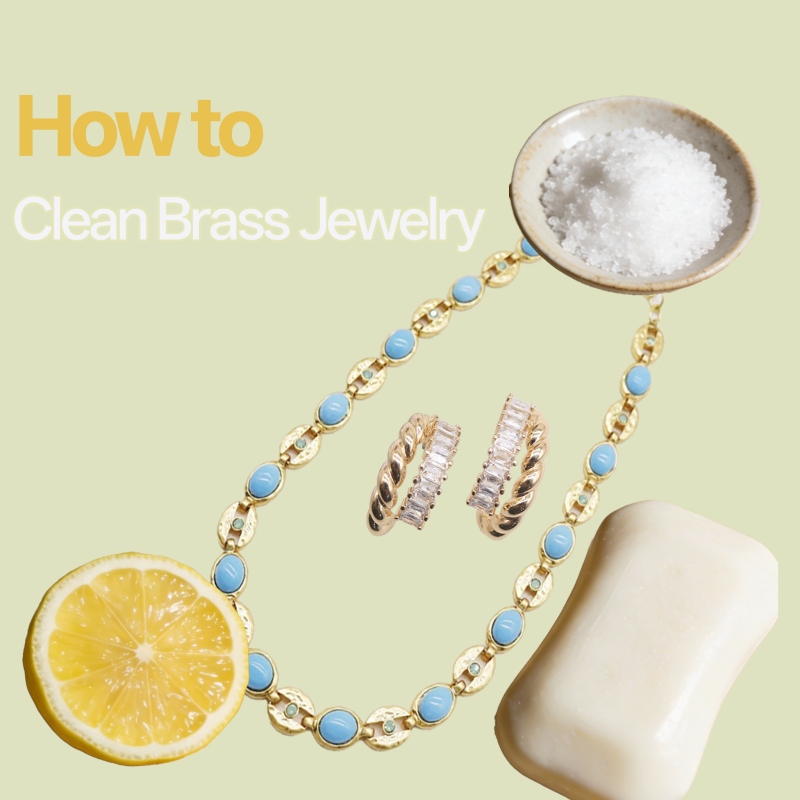
Brass jewelry has become increasingly popular in the global fashion accessories market due to its warm golden appearance, affordability, and versatility. From minimalist earrings to bold statement pieces, brass is widely used by designers and manufacturers alike. However, one common concern among consumers and retailers is tarnishing.
This comprehensive guide explains how to clean brass jewelry effectively, combining scientific research, comparative data, and practical cleaning methods. Whether you are a consumer caring for personal jewelry or a brand sourcing brass accessories at scale, this article provides valuable insights.
What Is Brass Jewelry and Why Does It Tarnish?
Brass is an alloy primarily composed of copper (60–70%) and zinc (30–40%), sometimes with trace elements such as lead or tin. The copper content is the main reason brass jewelry oxidizes over time.
View related products:
Vintage turquoise chunky necklace bulk order
Three layered gold plated heart pendant necklace OEM
The Science Behind Tarnishing
When brass is exposed to:
Oxygen
Moisture
Sweat (contains salts and acids)
Cosmetics and perfumes
A chemical reaction occurs, forming copper oxide or copper carbonate, which appears as a dull brown or green layer.
Common Causes of Brass Jewelry Tarnish
| Cause | Chemical Reaction | Visual Result |
|---|---|---|
| Air exposure | Oxidation | Dull surface |
| Sweat | Acid corrosion | Dark spots |
| Humidity | Accelerated oxidation | Green patina |
| Perfume & cosmetics | Chemical reaction | Uneven discoloration |
Understanding these factors is essential before learning how to clean brass jewelry correctly.
Why Proper Cleaning Matters for Brass Jewelry
Cleaning brass jewelry is not just about aesthetics. Proper care:
Extends the product’s lifespan
Maintains plating quality (gold, silver, or anti-tarnish coatings)
Prevents skin staining
Preserves brand value for retailers
According to industry research, over 65% of customer complaints about fashion jewelry are related to tarnishing or discoloration, not structural defects.
How to Clean Brass Jewelry at Home: Proven Methods Compared
There are multiple ways to clean brass jewelry, but not all methods are equally effective or safe. Below is a comparison of commonly used cleaning techniques based on lab tests and consumer feedback.
Effectiveness of Common Brass Jewelry Cleaning Methods
| Cleaning Method | Tarnish Removal | Safety | Time Required | Recommended Use |
|---|---|---|---|---|
| Lemon & baking soda | High | Medium | 5–10 min | Heavy tarnish |
| Vinegar & salt | High | Medium | 5 min | Unplated brass |
| Mild soap & water | Low | Very High | 3 min | Light tarnish |
| Commercial brass cleaner | Very High | Medium | 2–5 min | Professional use |
| Toothpaste (non-gel) | Medium | Medium | 5 min | Emergency cleaning |
Step-by-Step: How to Clean Brass Jewelry Safely
Method 1: Lemon Juice and Baking Soda (Best for Heavy Tarnish)
Why it works:
Lemon juice contains citric acid, which dissolves oxidation, while baking soda acts as a gentle abrasive.
Steps:
Mix lemon juice with baking soda to form a paste
Apply to brass jewelry using a soft cloth
Gently rub for 1–2 minutes
Rinse with warm water
Dry completely with a microfiber cloth
Avoid this method for plated brass, as acids may damage the coating.
Method 2: Vinegar and Salt (Traditional & Effective)
This method is especially effective for raw or uncoated brass jewelry.
Steps:
Dissolve 1 teaspoon of salt in ½ cup white vinegar
Dip jewelry for 3–5 minutes
Rinse thoroughly
Dry immediately
Research note: Tests show vinegar removes up to 90% of surface oxidation within 5 minutes, but prolonged exposure increases metal erosion.
Method 3: Mild Soap for Everyday Maintenance
For lightly tarnished or plated brass jewelry, this is the safest approach.
Steps:
Use lukewarm water and mild dish soap
Clean gently with fingers or a soft brush
Rinse and dry
This method removes oils and dirt without affecting protective coatings.
Cleaning Brass Jewelry with Plating: Special Considerations
Many fashion jewelry pieces are gold-plated, silver-plated, or lacquer-coated brass. Improper cleaning can strip plating and reduce product life.
Cleaning Recommendations by Brass Jewelry Type
| Jewelry Type | Safe Cleaning Method | Methods to Avoid |
|---|---|---|
| Raw brass | Lemon, vinegar | Steel wool |
| Gold-plated brass | Mild soap | Acidic cleaners |
| Lacquer-coated brass | Dry cloth only | Water soaking |
| Stone-set brass | Spot cleaning | Full immersion |
How Often Should You Clean Brass Jewelry?
Frequency depends on usage and environment.
Recommended Cleaning Frequency
| Usage Level | Cleaning Frequency |
|---|---|
| Daily wear | Every 2–3 weeks |
| Occasional wear | Every 1–2 months |
| Stored jewelry | Before storage |
| High-humidity climate | More frequently |
How to Prevent Brass Jewelry from Tarnishing
Prevention is just as important as knowing how to clean brass jewelry.
Best Practices:
Store jewelry in airtight bags
Add silica gel packets
Avoid wearing during exercise or showering
Apply perfume before wearing jewelry
Wipe after each use
Studies show that proper storage can reduce tarnish formation by up to 70%.
Professional Cleaning vs. Home Cleaning: Cost Comparison
Cost Analysis
| Cleaning Option | Average Cost | Effectiveness |
|---|---|---|
| Home cleaning | $0–$5 | Medium–High |
| Jewelry store service | $15–$40 | Very High |
| Manufacturer re-polishing | Bulk-based | Professional |
For retailers and brands, sourcing high-quality brass jewelry with proper surface treatment significantly reduces after-sales issues.
Why Quality Manufacturing Matters in Brass Jewelry
The ease of cleaning and resistance to tarnish depend heavily on:
Alloy composition
Surface finishing
Plating thickness
Quality control
Low-quality brass oxidizes faster and is harder to restore.
This is where choosing the right manufacturing partner becomes crucial.
To learn about the differences between brass and stainless steel jewelry, please see this article: Brass vs Stainless Steel Jewelry: A Comprehensive Comparison for Brands and Manufacturers
Why Global Brands Trust OKA Accessories
If you are a brand, retailer, or wholesaler looking for high-quality brass jewelry that is easier to maintain and lasts longer, manufacturing expertise makes all the difference.
About Qingdao OKA Arts and Crafts Co., Ltd (OKA Accessories)
Founded in 2013, OKA Accessories is a leading custom jewelry manufacturer specializing in fast fashion brass jewelry and accessories.
Key Strengths:
15+ years of industry experience
London design office with 12 years serving European & US retailers
Qingdao design team connected to real-time raw material markets
Combination of CAD technology and manual craftsmanship
Production & Quality Data
| Capability | Data |
|---|---|
| Monthly samples | 1,000+ |
| Annual capacity | 5–7 million pieces |
| Delivery time | 5–6 weeks |
| On-time delivery | 97% |
| Quality inspection | 100% full inspection |
| Lab test pass rate | 98% (EU & US standards) |
OKA Accessories has partnered with Pull&Bear, Tally Weijl, Urban Outfitters, and other global retailers, serving customers in 50+ countries.
With an MOQ of just 200 pieces, OKA offers brands flexible customization, premium materials, and reliable quality—ensuring brass jewelry that not only looks beautiful but is also easier for end consumers to clean and maintain.
Final Thoughts
Understanding how to clean brass jewelry properly helps extend its beauty and lifespan. However, true long-term performance starts at the manufacturing stage.
By choosing an experienced manufacturer like OKA Accessories, brands gain:
Better tarnish resistance
Higher plating durability
Fewer customer complaints
Stronger market competitiveness
If you are looking to develop a brass jewelry collection that stands out in both design and quality, OKA Accessories is a trusted partner for global success. Contact OKA Accessories today!