Imitation Pearls: Materials, Manufacturing and Applications in Fashion Jewelry
Imitation pearls have become an important material in modern fashion jewelry, offering designers and brands greater flexibility in creating versatile, stylish, and commercially accessible jewelry collections. From classic pearl necklaces to contemporary statement earrings, these decorative beads bring the elegant appearance of pearls into a wide range of fashion accessories.
But what are imitation pearls made of? How are acrylic pearls different from other plastic pearls? And what should jewelry brands consider when selecting imitation pearl materials for their collections?
Unlike natural and cultured pearls, imitation pearls are manufactured using man-made materials designed to reproduce the appearance of pearl surfaces. Acrylic and other plastic-based materials are particularly useful in fashion jewelry because they allow manufacturers to develop different sizes, shapes, colors, and design combinations.
For jewelry brands, wholesalers, and retailers, understanding these materials is not just about appearance. It also helps with product development, material selection, design consistency, and production planning.
In this guide, we explore the materials, manufacturing considerations, and practical applications of imitation pearls in fashion jewelry.
1. What Are Imitation Pearls?
Imitation pearls are man-made decorative beads designed to resemble the appearance of natural or cultured pearls. They are commonly used in fashion jewelry, costume jewelry, and fashion accessories.
Unlike genuine pearls, which are formed naturally or through cultivation inside mollusks, imitation pearls are produced from manufactured materials such as plastic, acrylic, or glass.
Their pearl-like appearance is generally achieved through a specially developed surface finish that creates a smooth texture and reflective, pearlescent effect.
One of the main advantages of imitation pearls is the level of design flexibility they offer. Manufacturers can develop beads in consistent sizes, customized colors, different shapes, and a variety of surface appearances.
For jewelry brands, this makes imitation pearls suitable for developing coordinated product collections without relying on the natural variations associated with genuine pearls.
Common applications include:
Pearl necklaces and layered necklaces
Pearl stud and drop earrings
Pearl bracelets and stretch bracelets
Decorative pendants and statement jewelry
Fashion brooches and hair accessories
Explore our fashion jewelry manufacturing capabilities to learn how different materials and design concepts can be developed into customized jewelry collections.
2. What Are Imitation Pearls Made Of?
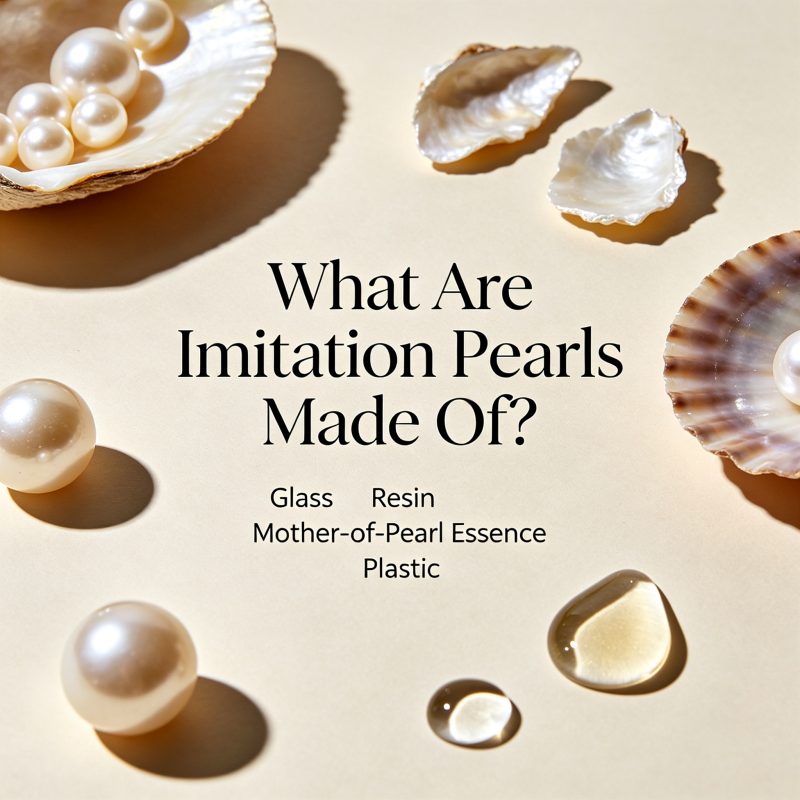
Imitation pearls can be manufactured from several different materials. The most common options include plastic, acrylic, glass, and shell-based materials.
Each material has different characteristics that influence the final appearance, weight, design possibilities, and product positioning.
For fashion jewelry manufacturing, acrylic and plastic-based imitation pearls are particularly relevant because they offer flexibility in product development and can be incorporated into different jewelry styles.
Acrylic Pearls
Acrylic pearls are made from acrylic-based materials and designed with a pearl-like surface appearance.
Acrylic is widely used in fashion accessories because it can be shaped into different bead sizes and forms. Its relatively lightweight characteristics also make it suitable for jewelry designs that incorporate multiple decorative elements.
Common applications include:
Long pearl necklaces
Statement necklaces
Drop earrings
Decorative bracelet designs
Layered fashion jewelry
Acrylic pearls can be developed in different colors, dimensions, and finishes, depending on the material and manufacturing process.
For brands looking to create distinctive fashion collections, acrylic pearls provide opportunities to experiment with oversized beads, irregular arrangements, and mixed-material designs.
Plastic Pearls
Plastic pearls are manufactured using plastic-based materials and finished to achieve a pearl-like appearance.
They are commonly used in affordable fashion jewelry and decorative accessories. Their versatility allows manufacturers to incorporate them into different jewelry structures and product categories.
Plastic pearls are suitable for:
Classic pearl stud earrings
Lightweight fashion necklaces
Decorative bracelet sets
Multi-element jewelry designs
Seasonal fashion accessories
Their final appearance depends on factors such as the base material, bead shape, surface preparation, and applied finish.
When selecting plastic pearls for commercial production, brands should evaluate not only the appearance of individual beads but also their consistency across the complete jewelry design.
Glass and Shell-Based Imitation Pearls
Glass and shell-based imitation pearls are also available in the fashion jewelry market.
Glass pearls use glass beads with a pearl-like surface treatment, while shell-based imitation pearls use shell material as their base.
These materials have different weight, structure, and production characteristics compared with acrylic and plastic options.
Although they are part of the broader imitation pearl category, material selection should always reflect the actual design requirements and intended product positioning.
3. Acrylic Pearls vs. Plastic Pearls: What Is the Difference?
Acrylic pearls and other plastic pearls are sometimes discussed as interchangeable terms in fashion jewelry. However, acrylic is a specific type of plastic material, and not all plastic pearls are made from acrylic.
For jewelry brands, the distinction matters when evaluating material specifications and product requirements.
| Comparison | Acrylic Pearls | Other Plastic Pearls |
|---|---|---|
| Base material | Acrylic-based material | Other plastic-based materials |
| Weight | Generally lightweight | Depends on the plastic used |
| Shape options | Can be developed in different shapes | Depends on molding and production methods |
| Surface appearance | Can have different pearlescent finishes | Depends on surface treatment |
| Color options | Customizable according to specifications | Customizable according to specifications |
| Jewelry applications | Necklaces, earrings, bracelets | Fashion jewelry and decorative accessories |
Neither material is automatically better for every jewelry design.
The right choice depends on the required appearance, bead dimensions, weight, construction, budget, and intended market.
For example, a long necklace with multiple decorative beads may benefit from lightweight materials, while a structured statement earring may require a different combination of bead size and metal components.
The most effective approach is to evaluate the complete jewelry design rather than selecting materials based on their names alone.
4. How Are Imitation Pearls Made?
The manufacturing process of imitation pearls varies depending on the base material, bead design, and desired surface finish.
For acrylic and plastic imitation pearls, production generally involves several important stages.
Step 1: Base Material Preparation
The first step is selecting the appropriate acrylic or plastic material according to the intended bead design.
Manufacturers consider factors such as:
Material specifications
Required bead dimensions
Shape and structural requirements
Intended color
Final jewelry application
Material selection establishes the foundation for the appearance and functionality of the finished bead.
Step 2: Bead Forming and Shaping
The selected material is processed into the required bead shapes and dimensions.
Depending on the manufacturing method, beads can be produced in different forms, including:
Round beads
Oval beads
Flat-back beads
Irregular shapes
Decorative geometric beads
Consistent dimensions are especially important when producing jewelry with multiple beads.
For example, a necklace containing many imitation pearls requires a coordinated appearance to maintain visual balance.
Step 3: Surface Preparation and Pearlescent Finishing
One of the most important stages is creating the pearl-like surface appearance.
Depending on the material and production method, surface preparation and finishing may involve polishing, coating, or other decorative treatments.
The purpose is to achieve the desired color, smoothness, and reflective appearance.
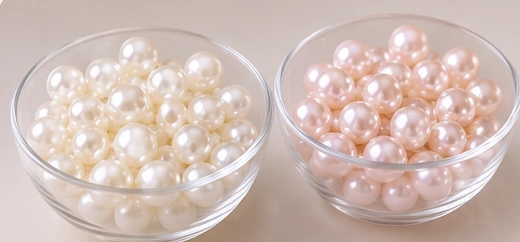
Different finishes can produce different visual effects, from classic white pearl tones to soft pink, cream, champagne, and more contemporary fashion colors.
The specific finishing process should be selected according to the base material and required product specifications.
Step 4: Inspection and Material Consistency
Before the beads are incorporated into finished jewelry, their appearance and dimensions should be evaluated.
Important inspection considerations include:
Consistency of bead size
Color uniformity
Surface smoothness
Visible coating defects
Scratches or other appearance issues
Hole positioning and assembly suitability
For wholesale and private label orders, consistent material quality is important because even small differences can affect the overall appearance of a jewelry collection.
Step 5: Jewelry Assembly
After the imitation pearls are prepared, they can be incorporated into different jewelry designs.
Depending on the product structure, manufacturers may combine them with metal chains, alloy components, decorative charms, and other accessories.
This stage transforms individual beads into finished fashion jewelry products.
5. How to Choose the Right Imitation Pearls for Fashion Jewelry
Selecting imitation pearls involves more than choosing a material. Jewelry brands should consider how the beads will perform visually and functionally within the complete product design.
Here are five important factors to evaluate.
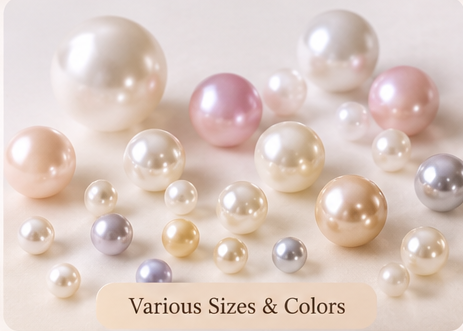
1. Bead Size and Proportion
Bead size influences the overall appearance and visual weight of a jewelry piece.
Small imitation pearls are often suitable for delicate necklaces and understated earrings, while larger beads can create stronger visual statements.
When developing a product collection, consider whether the bead dimensions complement the metal components, chain thickness, and overall design.
2. Color and Surface Appearance
Color consistency is important for both individual products and coordinated collections.
Classic white and ivory imitation pearls remain versatile options, while pink, champagne, black, and other fashion colors can support more distinctive designs.
Brands should confirm color samples before proceeding with bulk production, particularly when several products share the same material specification.
3. Weight and Comfort
Weight is an important consideration for jewelry worn throughout the day.
For example, oversized earrings containing multiple decorative elements require careful material selection to balance visual impact and wearing comfort.
Lightweight acrylic and plastic components can provide useful design flexibility in these applications.
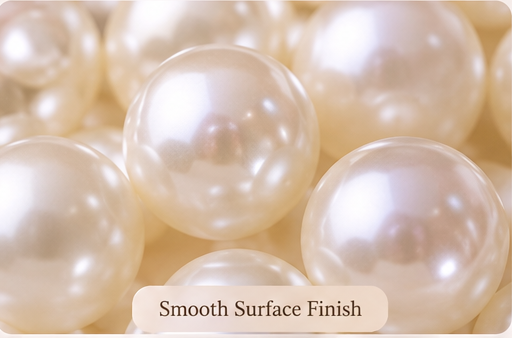
4. Surface Finish and Durability
The surface finish influences how imitation pearls look under different lighting conditions and how they respond to regular handling.
When evaluating samples, buyers should pay attention to surface uniformity, visible imperfections, and the consistency of the finish.
It is also important to discuss appropriate care instructions and performance expectations for the selected material and coating.
5. Overall Product Construction
A good-looking imitation pearl does not automatically guarantee a well-made jewelry product.
The complete design should also consider:
Bead drilling and connection points
Chain and clasp construction
Metal component quality
Assembly consistency
Product weight distribution
Packaging and transportation requirements
These factors become especially important when developing jewelry for wholesale distribution and private label retail programs.
6. Applications of Imitation Pearls in Fashion Jewelry
One of the biggest advantages of imitation pearls is their versatility. Their range of available sizes, colors, and shapes makes them suitable for different fashion jewelry categories.
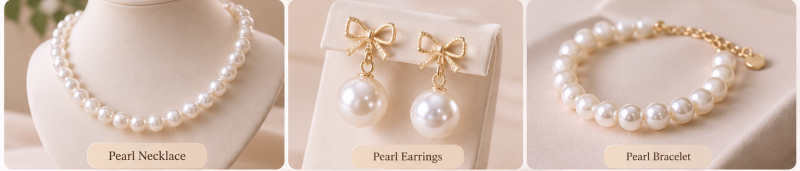
Pearl Necklaces
Pearl necklaces remain one of the most recognizable applications of imitation pearls.
Modern designs go beyond traditional single-strand necklaces and include layered chains, long tassel necklaces, Y-shaped designs, chunky statement necklaces, and mixed-material combinations.
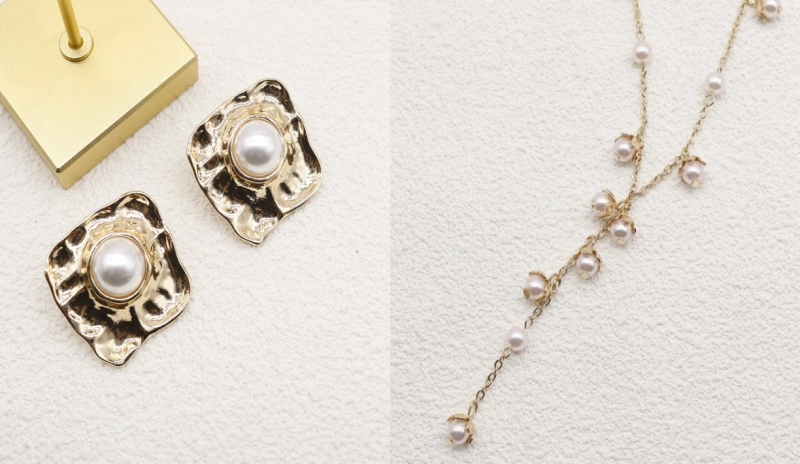
For example, our long tassel pearl necklace with an elegant Y-shaped design combines acrylic pearls with a gold-tone metal chain.
This type of design demonstrates how imitation pearls can be incorporated into contemporary fashion accessories while maintaining a classic pearl-inspired appearance.
Pearl Earrings
Imitation pearls are also widely used in stud, drop, hoop, and statement earrings.
A simple pearl stud offers a timeless appearance, while larger decorative designs can create a more contemporary look.
Our fashion statement pearl stud earrings provide an example of a design combining plastic pearls with metal components.
For brands, these different styles create opportunities to develop coordinated earring collections for different customer preferences.
Discover more possibilities through our custom earring manufacturing collection.
Pearl Bracelets
Imitation pearls can also be used in stretch bracelets, charm bracelets, beaded designs, and coordinated bracelet sets.
Combining pearl-like beads with gold-tone metal components or other decorative elements can create different visual styles.
For example, our stretch pearl bracelet pack illustrates how pearl-inspired decorative elements can be incorporated into multi-piece fashion jewelry collections.
Explore our bracelet manufacturing and customization options for additional design possibilities.
Pearl Brooches and Decorative Accessories
Beyond traditional jewelry categories, imitation pearls can be used in brooches, clothing accessories, and decorative fashion pieces.
They can be combined with metal frames, enamel details, fabric elements, and other decorative components to create distinctive products.
Our custom brooch manufacturing services provide another example of how decorative materials can be incorporated into different accessory designs.
7. Why Are Imitation Pearls Popular in Fashion Jewelry Manufacturing?
The popularity of imitation pearls is closely related to the flexibility they provide for fashion product development.
For manufacturers and jewelry brands, they offer several practical advantages.
Greater Design Flexibility
Unlike natural pearls, which have naturally occurring variations, manufactured imitation pearls can be developed according to specific product requirements.
This provides greater control over bead dimensions, colors, shapes, and overall visual consistency.
Suitable for Different Product Categories
Acrylic and plastic imitation pearls can be incorporated into necklaces, earrings, bracelets, brooches, and other decorative accessories.
This versatility makes them useful when developing coordinated collections across multiple product categories.
Flexible Product Positioning
Different materials, sizes, finishes, and metal combinations can support different retail price points and brand positioning.
For fashion brands, this creates opportunities to develop both everyday accessories and more decorative statement pieces.
Opportunities for Customized Collections
Imitation pearls can be incorporated into original designs rather than being limited to traditional pearl jewelry styles.
Brands can experiment with oversized beads, contrasting colors, asymmetrical arrangements, and mixed-material combinations to create more recognizable collections.
8. Custom Imitation Pearl Jewelry for Brands and Retailers
Choosing the right material is only one part of developing a successful jewelry collection. Brands also need a manufacturing partner capable of translating their design concepts into consistent, market-ready products.
At Charmwell Accessories, we support fashion jewelry development through OEM, ODM, and private label manufacturing services.
Whether you already have a finished design or are developing an entirely new collection, the process can be tailored to your product requirements.
OEM Jewelry Development
For OEM projects, brands can provide sketches, reference images, technical drawings, or existing samples.
The manufacturing team can then evaluate the material requirements, product construction, components, and production feasibility.
ODM Jewelry Development
For brands that need design support, ODM services can help develop new product concepts through design research, material recommendations, CAD development, and sampling.
This approach is useful when building a new fashion jewelry collection or expanding an existing product range.
Material and Design Customization
Depending on the selected product and production requirements, customization may include:
Acrylic and plastic pearl options
Different bead sizes and colors
Customized jewelry structures
Metal components and plating options
Logo and branding details
Custom jewelry packaging
Our necklace manufacturing and private label solutions offer a starting point for brands interested in developing customized necklace collections.
For other product categories, our manufacturing team can also discuss custom anklet designs and different accessory applications.
9. Quality Control Considerations for Imitation Pearl Jewelry
For wholesale buyers, product consistency is just as important as the initial design.
When developing imitation pearl jewelry, quality control should cover both the individual beads and the completed products.
Here are several important inspection points.
Material verification
Confirm that the selected materials match the agreed product specifications. Acrylic and other plastic materials should not be treated as interchangeable without confirming their actual composition.
Appearance consistency
Check bead color, surface finish, dimensions, and visible defects across production batches.
Assembly quality
Inspect drilling, stringing, connections, clasps, and metal components to ensure that the finished product meets the agreed construction requirements.
Surface protection
Evaluate the resistance of the finish to normal handling and follow the appropriate care recommendations for the specific material.
Final product inspection
Review the complete jewelry piece before packaging, including appearance, dimensions, workmanship, and packaging condition.
For brands selling in international markets, applicable chemical, mechanical, and product safety requirements should also be considered according to the destination market and product category.
A clear quality specification agreed upon before mass production helps reduce misunderstandings and supports more consistent repeat orders.

10. Frequently Asked Questions About Imitation Pearls
What are imitation pearls made of?
Imitation pearls can be made from plastic, acrylic, glass, or shell-based materials. Acrylic and plastic pearls are commonly used in fashion jewelry because they offer flexibility in shape, size, color, and product design.
Are acrylic pearls the same as plastic pearls?
Acrylic is a type of plastic, but not all plastic pearls are made from acrylic. The exact material should be confirmed through the manufacturer's product specifications.
Are imitation pearls real pearls?
No. Imitation pearls are manufactured decorative beads designed to resemble natural or cultured pearls. They do not have the same biological origin or nacre structure as genuine pearls.
What is the difference between imitation pearls and cultured pearls?
Cultured pearls are genuine pearls produced by mollusks with human intervention. Imitation pearls are manufactured from man-made or other non-pearl materials and finished to resemble pearls.
Do imitation pearls come in different colors and sizes?
Yes. Depending on the material and production process, imitation pearls can be developed in various sizes, shapes, and colors, including white, ivory, pink, black, and champagne.
Are acrylic pearls suitable for necklaces and earrings?
Yes. Acrylic pearls can be used in necklaces, earrings, bracelets, and other fashion accessories. Their suitability depends on the design, dimensions, weight, and construction requirements.
How should imitation pearl jewelry be maintained?
Imitation pearl jewelry should generally be kept away from harsh chemicals, perfumes, excessive moisture, and unnecessary friction. Cleaning and storage recommendations should follow the specific material and surface-finish requirements.
Can imitation pearl jewelry be customized for private label brands?
Yes. Depending on the manufacturer's capabilities, customization may include bead colors, dimensions, jewelry structures, metal components, logo details, and retail packaging.
What should wholesalers check before ordering imitation pearl jewelry?
Wholesale buyers should review material specifications, sample quality, bead consistency, product construction, MOQ, production lead times, packaging requirements, and applicable compliance standards.
11. Develop Your Next Fashion Jewelry Collection with Imitation Pearls
Imitation pearls offer fashion jewelry brands a versatile way to incorporate pearl-inspired designs into modern accessory collections.
From acrylic pearl necklaces and plastic pearl earrings to coordinated bracelets and statement accessories, the possibilities extend well beyond traditional pearl styling.
The key is selecting materials that match your design objectives, evaluating samples carefully, and working with a manufacturing partner that understands both product development and bulk production requirements.
At Charmwell Accessories, we work with jewelry brands, retailers, wholesalers, and private label businesses to develop customized fashion jewelry collections.
Whether you have an existing design or are exploring new product ideas, our team can help you evaluate material options, develop samples, and prepare your products for production.
Ready to develop your own imitation pearl jewelry collection?
Contact Charmwell Accessories to discuss your design requirements, request a quotation, or explore OEM and ODM manufacturing opportunities.
Let's turn your jewelry ideas into products ready for your market.