Fine jewelry is one of the most enduring expressions of craftsmanship, luxury, and personal style. Whether worn for daily elegance, collected as an investment, or passed down through generations as heirlooms, fine jewelry holds cultural, emotional, and financial value. Yet many shoppers still ask a simple but important question: What is fine jewelry, and how is it different from fashion or demi-fine jewelry?
This comprehensive guide explores everything you need to know—definitions, materials, gemstones, durability, price factors, and how to choose pieces that retain value over time.
What Is Fine Jewelry?
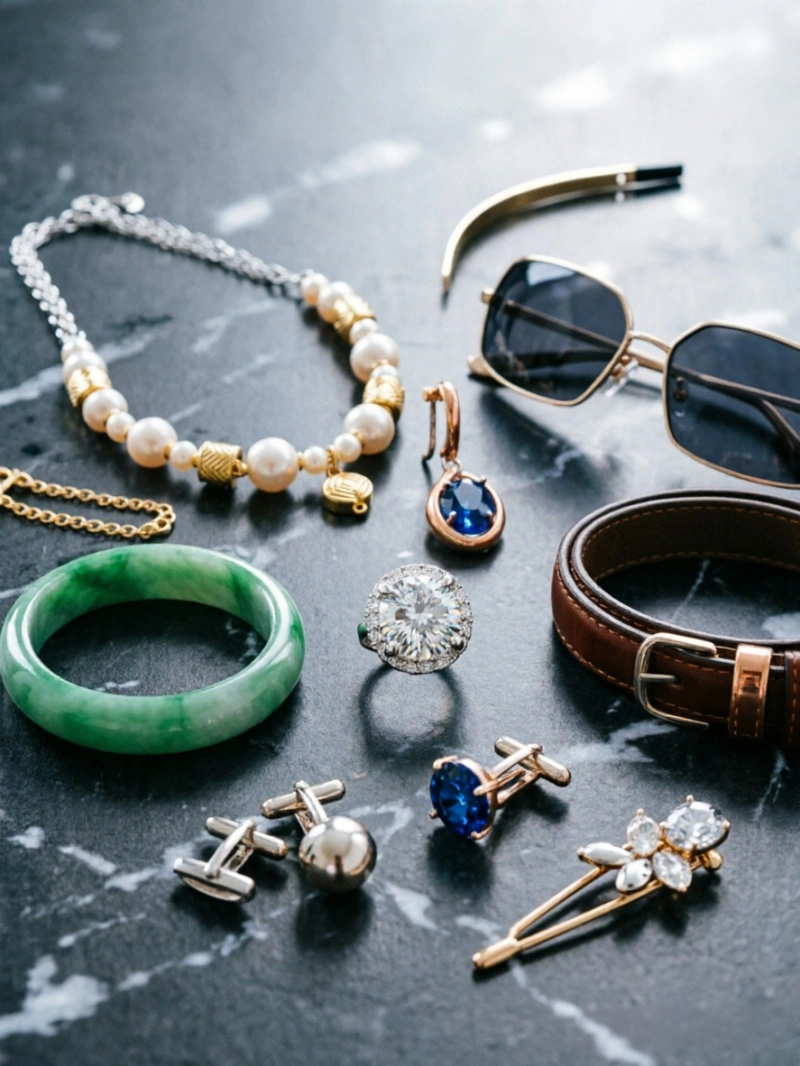
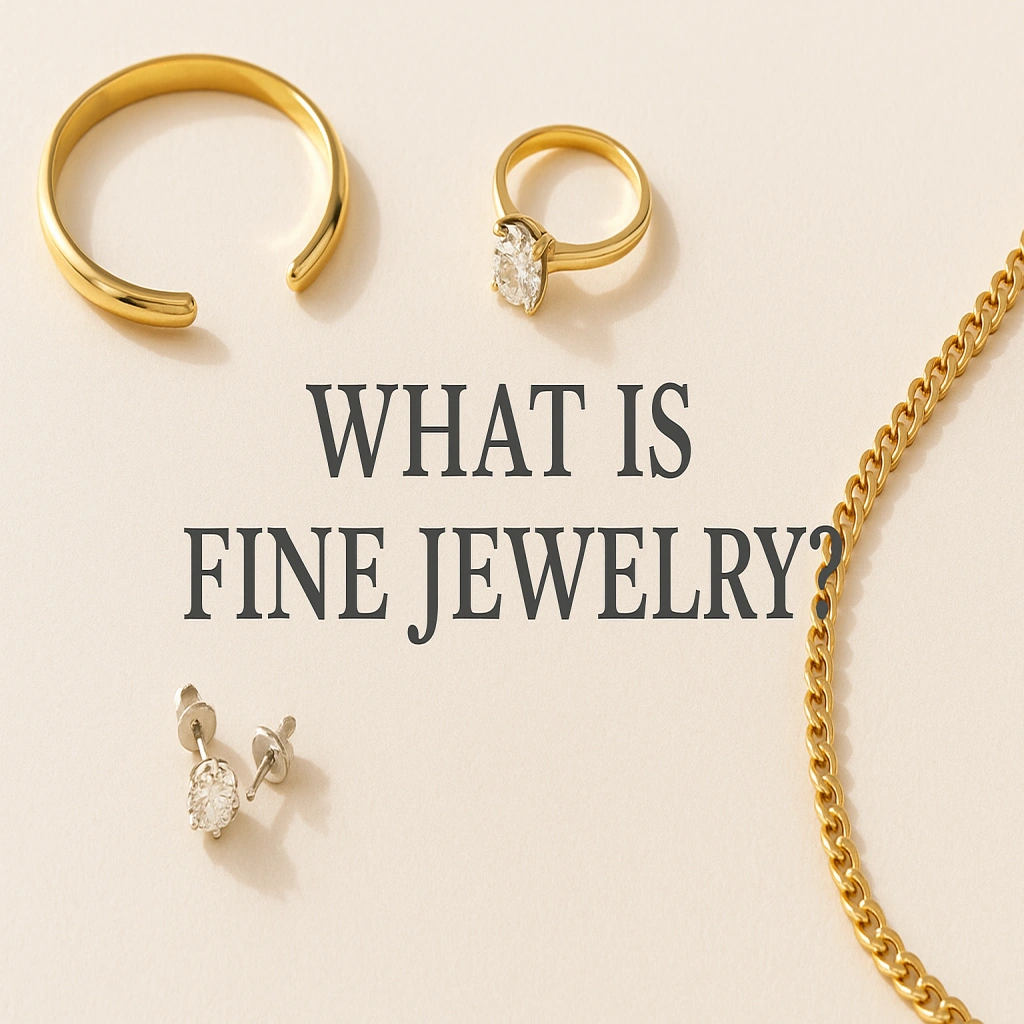
Fine jewelry refers to jewelry made from precious metals—primarily solid gold, platinum, and sterling silver—often combined with genuine gemstones such as diamonds, sapphires, rubies, and emeralds. The materials used in fine jewelry are naturally durable and valuable, which allows each piece to last for decades or even centuries when cared for properly.
The defining characteristics of fine jewelry include:
• High-quality precious metals (e.g., 14K/18K gold, platinum).
• Real gemstones (natural or lab-grown).
• Superior craftsmanship and long-term durability.
• Higher value retention compared to plated or costume jewelry.
Fine jewelry may be classic and minimal, or artistic and elaborate—but its defining feature is the inherent value of its materials.
What Materials Are Used in Fine Jewelry?
To understand fine jewelry, you must understand the metals and stones that qualify it as “fine.” Below are the main materials used.
1. Gold
Gold is the most iconic material for fine jewelry. It is valued for its color, rarity, and resistance to tarnish.
Fine jewelry uses solid gold, not plating or gold-filled.
Common gold purities include:
• 24K gold – 99.9% pure, soft, bright yellow, mainly used for investment jewelry or Asia/Middle East luxury pieces.
• 18K gold – 75% pure; ideal balance of durability and high gold content.
• 14K gold – 58.5% pure; excellent durability and affordability.
• 10K gold (USA only) – minimum purity legally considered “gold.”
Gold colors popular in fine jewelry:
• Yellow gold
• White gold
• Rose gold
2. Platinum
Platinum is a premium white metal prized for strength and hypoallergenic properties. It is denser and rarer than gold, making it one of the most luxurious metals in jewelry.
Platinum is often used in:
• Engagement rings
• Diamond settings
• High-end men’s jewelry
3. Sterling Silver (92.5% Silver)
While more affordable, sterling silver remains a precious metal and qualifies as fine jewelry when paired with genuine stones.
It is popular in:
• Designer collections
• Artisan jewelry
• Everyday minimalist pieces
4. Genuine Gemstones
Fine jewelry incorporates real gemstones, either natural or lab-grown.
Common natural gemstones:
• Diamonds
• Rubies
• Emeralds
• Sapphires
• Pearls
Semi-precious but still “fine” gemstones include amethyst, citrine, peridot, topaz, garnet, and more.
Lab-grown diamonds and gemstones also qualify as “fine” because they share the same chemical properties as natural gems.
Fine Jewelry vs Fashion Jewelry vs Demi-Fine Jewelry
Many shoppers confuse these categories. Understanding the difference helps you buy smarter.
Fine Jewelry
• Made from solid precious metals
• Uses real gemstones
• Resists tarnish and can last a lifetime
• Higher price and long-term value
Fashion (Costume) Jewelry
• Made from base metals (copper, brass, alloy)
• Often plated with gold or silver
• Uses imitation stones (glass, plastic, cubic zirconia)
• Affordable but not suitable for long-term wear
• Tarnishes and may cause skin reactions
Demi-Fine Jewelry
• Made from sterling silver or gold vermeil
• Gemstones may be natural or synthetic
• A middle category between fashion and fine
• Good for trend-driven or everyday pieces
Why Is Fine Jewelry Valuable?
Fine jewelry’s value comes from three factors:
1. Precious Metal Content
Gold and platinum have global market values that fluctuate based on supply and demand. Pieces made from higher-purity metals hold more value.
2. Gemstone Quality
Gemstones are evaluated on clarity, cut, color, and carat weight. Even small diamonds or high-grade colored stones significantly increase a piece’s worth.
3. Craftsmanship
Handmade or designer fine jewelry holds additional value for artistic and technical skill.
Fine jewelry also has emotional value, making it popular for engagements, weddings, anniversaries, and family heirlooms.
Types of Fine Jewelry
Fine jewelry covers a wide range of categories. Popular types include:
Engagement Rings & Wedding Bands
Typically made of platinum or 18K gold with diamonds or sapphires.
Necklaces & Pendants
Solitaire diamonds, pearl strands, gold chains, and gemstone pendants.
Earrings
Diamond studs, gemstone drops, hoops, and platinum safety-back designs.
Bracelets & Bangles
Tennis bracelets, gold chains, bar bracelets, and gemstone cuffs.
Fine Watches
Crafted with precious metals and often containing mechanical movements.
Men’s Fine Jewelry
Gold chains, rings, bracelets, and cufflinks.
Is Fine Jewelry Worth Buying?
Fine jewelry is not just an accessory—it is a long-term asset. Benefits include:
• Long lifespan
• No tarnishing (except silver, which is easily polished)
• Value retention over decades
• Ideal for milestones and heirlooms
• Often insured as luxury property
In contrast, fashion jewelry has limited durability and must be replaced frequently.
How to Identify Fine Jewelry
Shoppers can identify fine jewelry through:
Hallmarks & Stamps
Fine metals are stamped with purity marks such as:
• 925 (sterling silver)
• 14K, 18K (gold purity)
• Pt950 (platinum)
Gemstone Certification
Diamonds should include a grading report (GIA, IGI, AGS).
Weight & Feel
Precious metals feel heavier and higher quality.
Pricing
Fine jewelry pricing reflects metal and stone content—not just design.
How Much Does Fine Jewelry Cost?
Prices vary widely depending on materials and craftsmanship.
Entry-Level Fine Jewelry
Sterling silver or 10K/14K gold:
• $50–$500
Mid-Range Fine Jewelry
18K gold or platinum with small diamonds:
• $300–$3,000
High-End Fine Jewelry
Large diamonds or designer brands:
• $5,000–$100,000+
Fine jewelry offers options for nearly every budget, but quality materials will always influence cost.
Caring for Fine Jewelry
To maintain beauty and longevity, follow essential care steps:
• Store pieces separately to prevent scratches.
• Clean gold and platinum with mild soap and warm water.
• Avoid chemicals, chlorine, and extreme heat.
• Have gemstones checked and tightened regularly.
• Keep silver dry and polished.
Proper care ensures fine jewelry lasts for generations.
Why Fine Jewelry Is a Smart Investment
While fine jewelry is not traditionally considered an investment like real estate, it does retain value better than most consumer goods. Reasons include:
• Global demand for gold, platinum, and diamonds
• Stability of precious metal markets
• Rising price trends over time
• Collectible value of designer and vintage pieces
In periods of economic uncertainty, gold jewelry can function as a portable, easily liquidated asset.
How to Choose Fine Jewelry
Shoppers should consider:
• Purpose (daily wear, gift, investment)
• Metal type (white, yellow, or rose gold; platinum; silver)
• Gemstone choice and quality
• Lifestyle and durability needs
• Long-term value
• Personal or sentimental meaning
Fine jewelry is not only about luxury—it is about choosing pieces that resonate with your style and last a lifetime.
Conclusion: Fine Jewelry Is True Luxury With Lasting Value
Fine jewelry is defined by its use of precious metals and real gemstones, unmatched durability, and timeless craftsmanship. Beyond beauty, fine jewelry carries emotional significance and long-term value that fashion jewelry cannot match. Whether you are buying a diamond engagement ring, a gold bracelet, or a simple sterling silver necklace, fine jewelry is an investment in elegance, heritage, and quality.
For anyone building a collection or making a meaningful purchase, understanding what fine jewelry is—and what makes it special—helps you choose pieces that shine for decades to come.
Finally, if you want to create your own jewelry brand and find top jewelry manufacturers in China, you can contact us.